
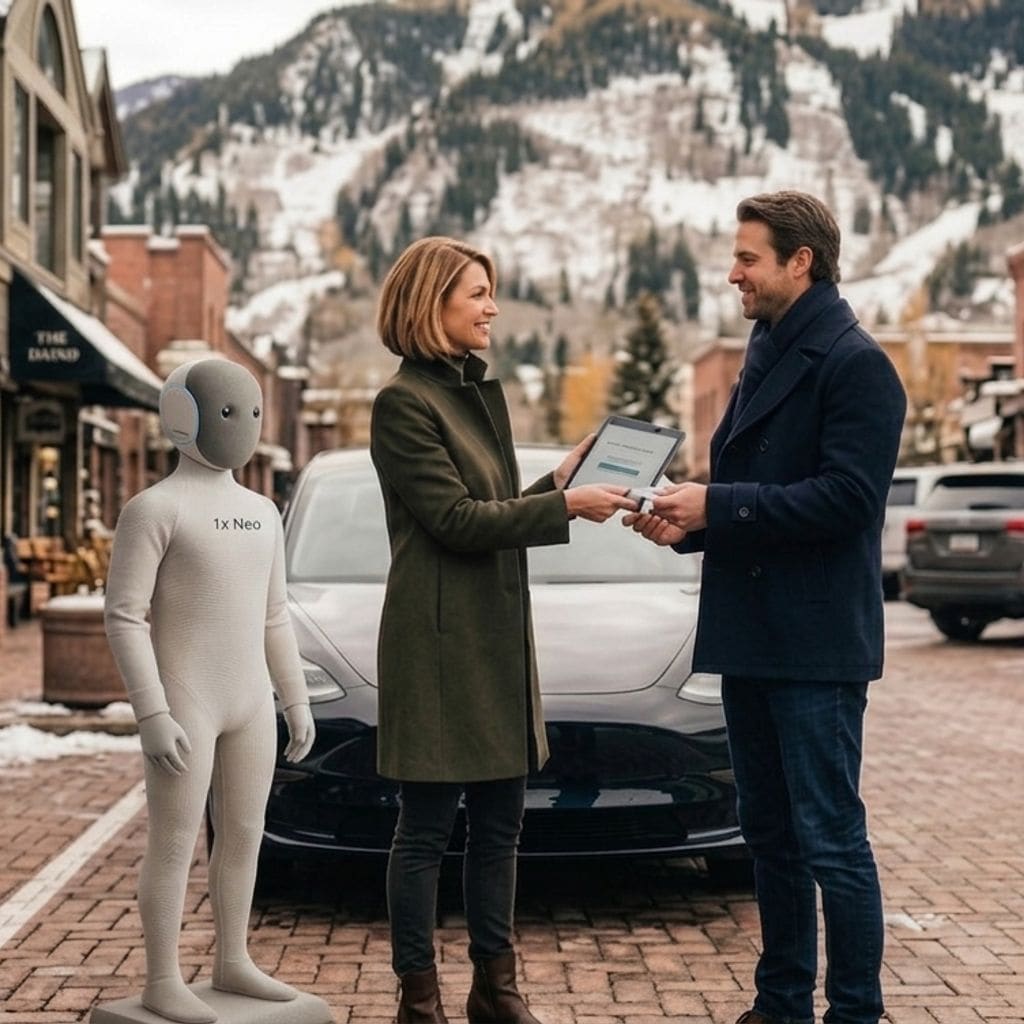
Adopting robotics often stalls at one constraint. Capital. Industrial robots can cost tens of thousands of dollars. Some systems reach into six figures once integration and support are included. At the same time, high profile quadrupeds like Unitree robots or humanoid platforms are generating demand for demos, events, and short term use. A robot rental marketplace lowers the barrier for both.
The core bottleneck in robotics is not interest. It is access.
Hardware is expensive. Deployment cycles are long. Most companies hesitate to commit before proving workflow fit. For entertainment or novelty robots, the challenge is different. Demand is spiky. You may need a robot for a trade show, marketing event, campus activation, or short production shoot. Buying makes little sense for episodic use.
A robot rental marketplace addresses both sides of this constraint.
Download Sharebot on Google Play
Robot Rental Marketplaces Connect Owners with Renters Through Secure Platforms
How does a robot rental marketplace work?
An early stage platform like Sharebot.ai allows owners to list robots with specifications, availability, pricing, and usage terms. Renters browse by category or search term. They compare industrial systems, mobile platforms, drones, warehouse robots, and also entertainment robots such as quadrupeds like Unitree.
Payments are securly processed through the platform and released according to rental terms. Messaging allows both sides to clarify logistics before confirming a booking.
Two Asset Classes Share the Same Infrastructure
Two different asset classes meet on the same infrastructure:
Industrial robotics
These include warehouse automation units, inspection robots, cleaning robots, telepresence platforms, and specialized field systems. Businesses use them to run pilots, validate ROI, or temporarily expand capacity, or ... anything you see an idustry need for and want to capitalize on.
Entertainment and novelty robotics
These include quadrupeds, humanoids, robotic dogs, and interactive bots used for events, brand activations, film production, research demos, and educational showcases, or again, anything you think you can capitalize on.
The underlying system is identical. Idle assets meet demand.
Access Creates More Value Than Ownership in Modern Robotics
Why is access more important than ownership in robotics?
Ownership locks capital. Access creates optionality.
When a builder evaluates automation, the first goal is proof. Does this robot reduce labor hours? Improve throughput? Increase safety? If those metrics are not clear, purchase risk remains high.
A rental marketplace shifts robotics from a capital decision to an operational experiment.
For entertainment robotics, the principle is similar. You do not need a robotic dog sitting idle in storage for eleven months of the year. You need one for a three day activation. Access aligns cost with actual usage.
Higher Utilization Increases Asset Value
The principle
When utilization increases, asset value increases.
Robotics suffers from low average utilization across the market. Many robots sit idle between projects. A marketplace increases utilization by matching time limited demand with existing supply. That increases economic efficiency without manufacturing new units.
This applies to a six figure warehouse robot and to a Unitree quadruped at a tech expo. Both are assets. Both produce value only when active.
Industrial Users Can Test ROI Before Major Capital Commitments
Practical implications for builders and operators
If you are evaluating high end industrial robotics:
- Run a defined pilot before committing capital.
- Measure throughput, labor displacement, and failure rates under real conditions.
- Convert uncertain CapEx into predictable short term OpEx.
- Use pilot data to negotiate better long term purchase terms.
Event Planners Avoid Storage and Maintenance Costs
If you are planning an event or activation with entertainment robotics:
- Test audience engagement before buying.
- Budget robotics as a campaign line item, not infrastructure.
- Avoid storage, maintenance, and depreciation costs.
- Iterate formats across multiple events without locking into one platform.
Robot Owners Turn Idle Assets Into Revenue Streams
If you own robotic assets:
- All US markets are open. Now is the time to claim yours and start building your 5 star reviews on Sharebot.ai.
- Monetize downtime between contracts.
- Test pricing elasticity in different regions or industries.
- Gather market signals on which robot categories draw the most interest.
- Turn a delivered unit into an earning asset rather than a depreciating one.
Download Sharebot on Google Play
Enterprise and Startup Companies Both Benefit From Rental Models
Is a robot rental marketplace only for startups?
No. Early stage builders benefit from reduced capital exposure. Larger enterprises benefit from faster experimentation cycles. Agencies and production teams benefit from flexible access to novelty platforms.
The economic structure works across company sizes because the bottleneck is universal. Robotics adoption moves slower than interest because access remains constrained.
Frequently Asked Questions
What types of robots are available on a robot rental marketplace?
Listings can include industrial warehouse robots, inspection systems, drones, cleaning robots, telepresence units, quadrupeds like Unitree, and other entertainment or research platforms.
Is renting industrial robots practical for serious operations?
Yes. Renting supports pilot programs, seasonal demand spikes, or temporary capacity expansion before full purchase decisions.
Why would someone rent a Unitree or similar quadruped robot?
Common use cases include marketing events, campus demos, media production, research testing, and technology showcases where short term impact matters more than ownership.
Does renting replace buying robots?
No. Renting accelerates evaluation and short term deployment. Long term ownership makes sense when utilization and ROI are proven.
How does this affect robotics market growth?
By lowering entry barriers, a marketplace increases experimentation. More experimentation leads to more validated use cases. That supports broader adoption over time.
Closing thought
If robotics remains constrained by ownership models, adoption will stay slower than demand. When access expands across both industrial systems and entertainment platforms, utilization rises. The question for builders is simple. Do you need to own the robot, or do you need results from one? The question for the entrepreneurs in the room is equally simple.
Will you watch this market form, or supply it?
Buy one. List it on Sharebot.ai. Turn a $4,000 - $20,000 dollar machine into a revenue generating asset through paid trials and shared usage in your city.
Download Sharebot on Google Play
This post was drafted with the assistance of AI and reviewed by the Sharebot team.