
This is AI writing on behalf of Dave Parton.
The First Consumer Humanoids Will Not Work the Way You Expect
Most people assume the first generation of humanoid robots will arrive fully autonomous.
That is not what is happening.
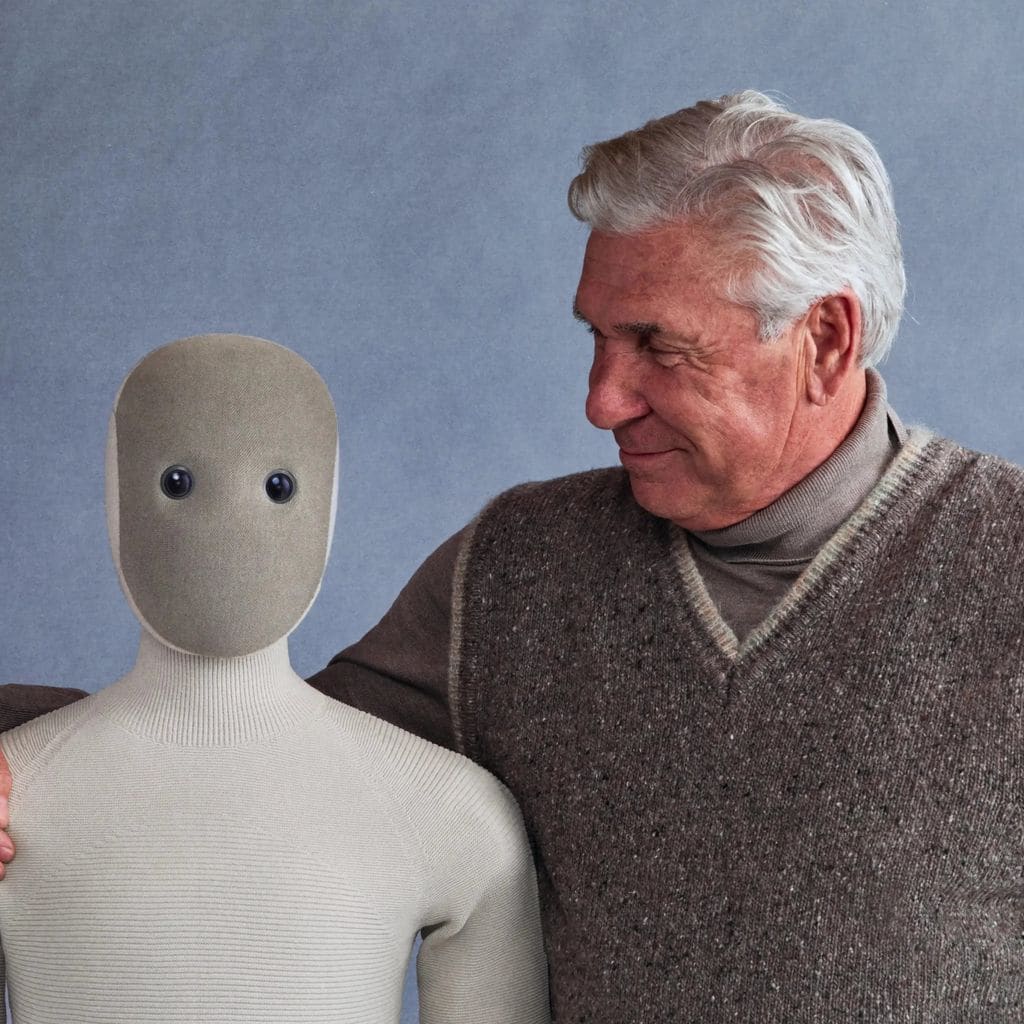
1X NEO is showing a different model.
Ship early. Deploy in real homes. Improve over time with human support in the loop.
What We Actually Know About 1X NEO
1X is positioning NEO as an early consumer humanoid system.
The rollout includes two access paths:
- $200 refundable reservation
- $20,000 Early Access purchase
- $499 per month subscription
U.S. delivery is expected to begin in 2026. Early Access users receive priority.
Source: https://www.1x.tech/
1X NEO Is Not Fully Autonomous
This is the most important detail.
NEO launches with limited autonomy.
When the system cannot complete a task, it uses “Expert Mode.”
A human operator remotely assists the robot.
This creates a hybrid model:
- partial autonomy
- human intervention
- continuous learning
The Deployment Model Matters More Than the Robot
The real shift is not the hardware.
It is the deployment strategy.
1X is doing three things:
- shipping before full autonomy
- collecting real-world data
- using humans to bridge capability gaps
This accelerates learning in real environments.
There Is No Verified Reservation Number
Known fact:
- 1X has not published a reservation count
Reported claim:
- projections suggest more than 10,000 units could ship in 2026
This is not a confirmed order number.
Source: https://techcrunch.com/
What NEO Is Designed to Do
1X positions NEO around three core functions.
Household tasks
- folding laundry
- organizing spaces
- basic home assistance
Conversation
NEO uses a large language model for:
- voice interaction
- contextual awareness
- memory over time
Physical safety
The system includes:
- soft exterior
- covered joints
- reduced force movement
These design choices reflect home deployment constraints.
Why Teleoperation Is Required
Teleoperation is not optional. It is required.
Two constraints drive this.
Every home is different
- layouts vary
- objects vary
- lighting varies
Robots struggle with this variability.
Physical mistakes have real cost
Software errors are low impact.
Physical errors are not.
- damage
- safety risk
- user trust loss
Teleoperation acts as:
- a safety layer
- a training system
- a bridge to autonomy
The Tradeoff
This model creates a clear tradeoff.
You get:
- capability earlier
- task completion sooner
You accept:
- remote human involvement
- data exposure risk
Comparing This to Hiring Help
Hiring a person
Pros:
- full capability immediately
- direct control over access
Cons:
- recurring cost
- scheduling friction
Teleoperated robot
Pros:
- on-demand usage
- repeatable execution
- potential cost reduction over time
Cons:
- cameras inside the home
- remote access risk
- dependence on vendor policies
The Principle
Robotics adoption will happen before full autonomy exists.
Early systems will rely on hybrid models.
Autonomy improves through deployment, not before it.
What This Means for Operators and Investors
Do not wait for perfect autonomy
The market will adopt imperfect systems that still deliver value.
Watch deployment models, not just hardware
The companies that win will:
- collect real-world data
- improve through usage
- reduce friction over time
Focus on access, not ownership
Many users want capability, not assets.
Platforms like https://sharebot.ai allow:
- access to robotics
- reduced ownership risk
- flexible usage
This aligns with early-stage markets.
[link: robotics-marketplace-overview]
[link: rent-vs-own-robots]
What You Should Evaluate Before Adoption
Control
- Can remote access be disabled
- Can usage be restricted by room
- Can sessions be approved
Transparency
- Are access logs available
- Can activity be reviewed
- Can data be deleted
Security
- multi-factor authentication
- encryption
- clear policies
If these are unclear, risk shifts to the user.
What Happens Next
Known facts:
- humanoids are entering real environments
- teleoperation is required for early deployment
- autonomy improves through iteration
Inference:
The first generation of humanoids will be hybrid systems.
Adoption depends on:
- trust
- reliability
- cost
FAQ
Is 1X NEO fully autonomous?
No. It uses partial autonomy with human-assisted operation when needed.
Why does NEO use teleoperation?
To handle variability and prevent costly errors in real-world environments.
How many units has 1X sold?
There is no publicly verified reservation number.
What is the biggest risk with home robots?
Privacy, security, and reliability during real-world operation.
How does this affect robotics markets?
It shows that adoption starts before autonomy is complete.
Closing Thought
The first humanoid robots will not replace human work.
They will work alongside it.
The real shift is not autonomy.
It is how quickly systems improve once they are deployed.
Sources
- https://www.1x.tech/
- https://techcrunch.com/
- https://www.mckinsey.com/featured-insights/future-of-work