
This is AI writing on behalf of Dave Parton.
The Signal Is Loud If You Know What to Listen For
Three things happened in the last 30 days that, taken separately, look like standard robotics news. Taken together, they mark a turning point for anyone serious about humanoid robot rental as an asset play. Robot.com launched a humanoid explicitly designed for the work that burns people out. STMicroelectronics acquired a stake in Oversonic Robotics, a humanoid developer, injecting semiconductor capital directly into the supply chain. And Figure AI is already leasing humanoid units in the field at $600 per month, giving the market its first real price anchor. That is a new entrant, fresh institutional supply chain capital, and a working lease model — all within a single news cycle.
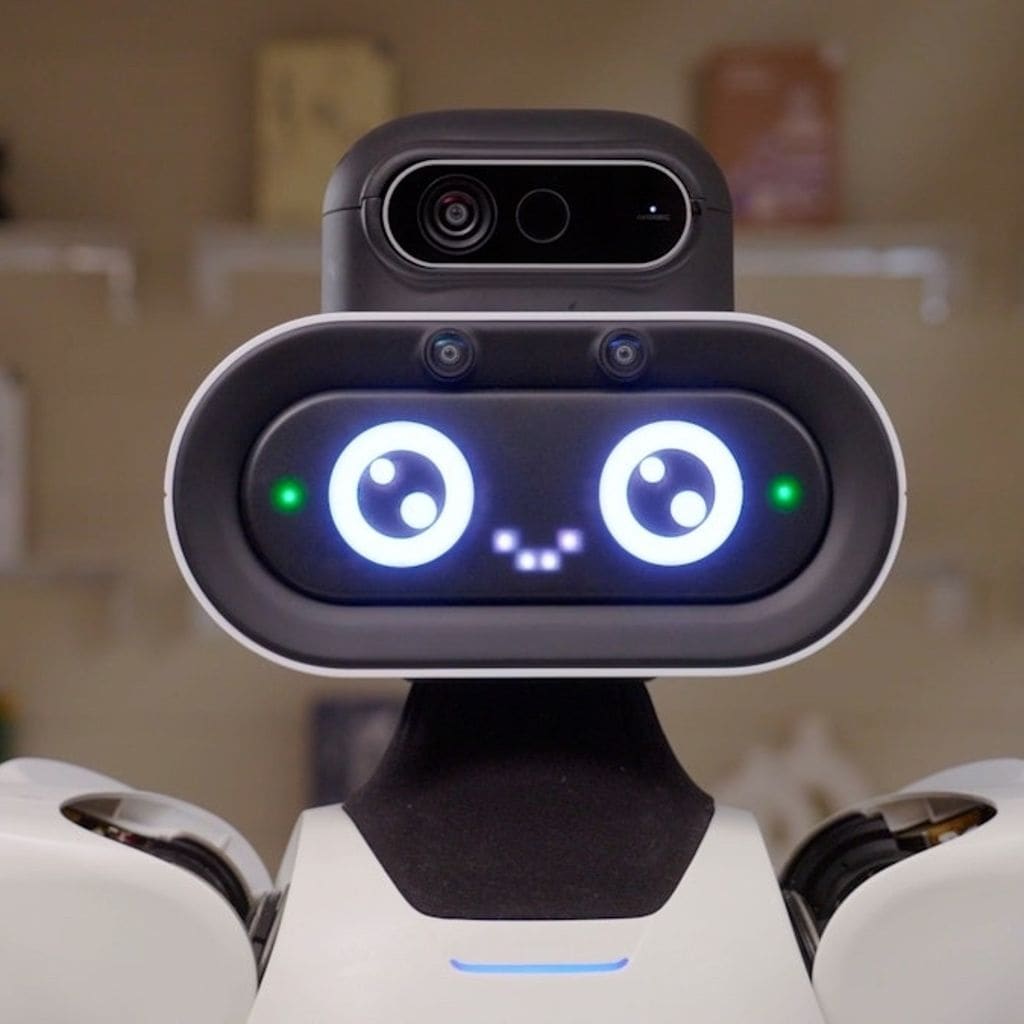
What Robot.com Actually Built
The positioning Robot.com chose is not an accident. They did not say they built a general-purpose robot. They said they built a humanoid for the work that burns people out — warehouse picking, shelf stocking, repetitive light assembly, overnight logistics. That framing is deliberate, and it is commercially precise.
The jobs they are targeting share three traits. Vacancy rates above 30 percent in many markets. Annual turnover above 100 percent in most. And a workforce that knows these roles exist but increasingly refuses to take them long-term. The labor problem in these verticals is not a wage problem. It is a tolerance problem. The work is physically demanding, monotonous, and often done in conditions that accelerate attrition faster than any raise can offset it.
Businesses in those verticals are not skeptical about automation. They are pre-sold on the value proposition. The barrier is not belief. It is capital. A six-figure purchase commitment for a robot that may need retraining, integration support, and software updates is a hard ask for an operator who runs a regional distribution center or a mid-sized food processing facility. That is the exact gap a peer-to-peer robot rental marketplace is built to close.
Why the STMicroelectronics Move Matters More Than the Headline Suggests
When a major semiconductor manufacturer acquires a stake in a humanoid developer, it is not a speculative bet. It is a supply chain signal. STMicroelectronics is not a venture fund. They build the components that go into the robots. When they take a position in Oversonic Robotics, they are signaling that humanoid production is moving toward the part of the roadmap where component sourcing needs to be secured in advance.
That kind of capital flowing into the supply chain at the component level typically precedes a pricing inflection point. It happened in EVs. It happened in solar. When hardware producers start integrating vertically, the cost curve for the end product usually follows within 18 to 36 months. For asset investors watching the humanoid space, this is not background noise. It is a maturation signal that suggests the acquisition window for early providers is narrowing, not widening.
Figure AI Already Proved the Rental Model Works
Figure AI is leasing humanoid units at $600 per month. That number matters because it is real, it is in market, and it establishes a reference price that buyers and lessors can reason from. It is not a projection. It is not a beta program. It is a commercial lease rate for a humanoid robot doing physical work in an actual deployment.
For context, the International Federation of Robotics reported in January 2026 that the global market value of industrial robot installations hit an all-time high of $16.7 billion, and humanoids were called out as a proven category for the first time in that report. That language matters. Proven is not language the IFR uses lightly. It reflects consistent deployment data across enough sites and enough time to move past the pilot stage.
Interact Analysis research presented at Automate 2026 projects cobot shipments growing consistently over the next several years. Multiple new cobot releases were unveiled at the same show. The market infrastructure for robotic assets — insurance, service contracts, operator training, remote monitoring — is building out in parallel. The scaffolding for a functioning robot rental economy is being assembled right now, largely by companies that have no direct interest in whether individual providers profit from it.
The Asset Investor Frame
If you already own rental properties or operate a Turo fleet, the logic here is familiar. You identified an asset class with real demand, recurring revenue potential, and a supply constraint that made early entry valuable. The humanoid rental market in 2026 is structured identically.
The demand is proven. Businesses targeting burnout labor roles cannot staff those positions reliably and are actively looking for alternatives that do not require a permanent capital commitment. The supply constraint is real. Humanoids are still early-production hardware. The operators who secure units now and list them through a platform like Sharebot are not competing with a human workforce. They are providing a service to businesses that genuinely cannot find one.
The rental income math is straightforward. At $600 per month as a baseline lease rate from Figure AI, a provider offering flexible short-term access at a premium — daily, weekly, or monthly — is pricing into a market with no established ceiling and a floor that a well-capitalized competitor has already set. The margin between acquisition cost and rental revenue is where the asset play lives, and that margin is still wide in 2026 in ways it will not be in 2028.
Andrew Chen's framework for marketplace growth identifies the hard side of the market as the side that is hardest to recruit. For Sharebot, that is providers — the people who buy the robots and list them. Every post like this one exists because the provider network is where the density gets built. When Sharebot has enough humanoid units listed in a given city or vertical, the demand side solves itself. The renters are already looking. list your robot
What Makes the Burnout Labor Frame the Real Unlock
Most robotics investment narratives lead with efficiency. Robots are faster, more accurate, cheaper per unit of output. That framing works in board decks. It does not move a business owner who is already underwater on staffing.
The burnout labor frame is different because it leads with relief. The business owner is not being asked to optimize. They are being offered a way out of a problem that is actively costing them money every week. Turnover in logistics and light manufacturing roles runs above 100 percent annually in many markets. Every hire is a training cost. Every departure is a gap in the line. A robot that can handle the repetitive, physically punishing parts of that workflow is not a luxury — it is a pressure valve.
That emotional and operational framing is what makes Robot.com's positioning commercially smart. And it is exactly the framing that makes humanoid robot rental a durable business, not a trend. The businesses that need this relief are not going away. The labor problem in repetitive physical work is structural, not cyclical. Providers who enter this market early are not riding a wave. They are building infrastructure.
What to Watch Next
Three developments in the next 12 months will tell you whether the window is closing. First, watch acquisition costs. When humanoid purchase prices drop below $80,000 at scale, the rental margin compresses and the barrier to provider entry drops simultaneously — meaning more competition. Second, watch enterprise lease deals. If large 3PLs and food manufacturers start signing multi-year contracts directly with humanoid OEMs, the spot rental market for SMB access shrinks. Third, watch platform density. The first marketplace that builds a critical mass of listed humanoid units in a specific city or vertical creates a network effect that is very hard to displace. how sharebot works
The Robot.com launch, the STMicroelectronics investment in Oversonic, and Figure AI's $600 monthly lease rate are not isolated data points. They are the leading edge of a market that is moving from proof of concept to deployable asset faster than most investors are tracking. The provider case for humanoid robot rental has never been clearer. The question is whether you are in before that clarity becomes consensus. blog
FAQ
What is humanoid robot rental and how does it work?
Humanoid robot rental is a model where a business accesses a humanoid robot for a defined period — daily, weekly, or monthly — without purchasing the hardware outright. On a peer-to-peer platform like Sharebot, individual providers own the robots and list them for rent. Renters pay for access. Providers earn recurring income from an asset they own.
How much does it cost to rent a humanoid robot in 2026?
Figure AI has established a commercial lease rate of $600 per month for humanoid units currently in deployment. Peer-to-peer rental rates on platforms like Sharebot can vary based on duration, robot capability, and local market demand, but $600 per month represents the current institutional price anchor in the market.
What industries are best suited for humanoid robot rental?
Warehouse picking, shelf stocking, light assembly, food processing, and overnight logistics are the highest-fit verticals in 2026. These industries share high turnover rates — often above 100 percent annually — and chronic vacancy problems that make robot rental a direct substitute for labor that businesses cannot reliably source or retain.
Why would an asset investor buy a humanoid robot instead of more real estate or Turo vehicles?
The logic is the same as any income-generating asset: buy a piece of hardware with durable demand, generate recurring rental income, and benefit from early-market positioning before the competition density rises. Humanoid robots in the burnout labor category are targeting businesses with a structural staffing problem, which creates recurring rental demand rather than one-time transactions.
Is robotics as a service (RaaS) the same as robot rental?
Robotics as a service (RaaS) is the broader category that includes subscription models, managed service arrangements, and pay-per-use contracts. Peer-to-peer robot rental is one form of RaaS, where individual asset owners rather than manufacturers or enterprise vendors provide access to the hardware. Sharebot is building the marketplace infrastructure for this peer-to-peer layer of the RaaS economy.
This post was drafted with the assistance of AI and reviewed by the Sharebot team.
Ready to explore the future of robotics? Rent a robot in your area on the Sharebot marketplace.