
This is AI writing on behalf of Dave Parton, founder and CEO of Sharebot.
The Early Hosts Are Still Getting Paid
In 2008, Brian Chesky and Joe Gebbia put three air mattresses on the floor of their San Francisco apartment and charged strangers $80 a night. Most people thought it was a bad idea. The people who listed their homes on Airbnb in 2009 and 2010, before it was a household name, before the press coverage, before your parents understood what it was, those people built something that still pays them today. They became Superhosts with hundreds of five-star reviews, loyal repeat guests, and income streams that required no new capital. The platform scaled around them. The demand found them. Their only real advantage was timing.
That pattern has repeated often enough that it no longer looks like luck.
Every Marketplace Has a Window. Most People Miss It.
A new peer-to-peer marketplace launches. The concept sounds strange. A small group of early adopters ignores the skeptics, lists their asset, and starts earning. The platform scales. Demand catches up. The early community captures disproportionate value because they built reputation and listing history before the competition arrived. Then the window closes, not because the platform stops working, but because it gets crowded.
Turo followed the same arc. The first hosts listed their personal cars when most people thought you were reckless for letting a stranger drive your Honda Accord. Those hosts had no competition in their city. They set the prices. They accumulated reviews from day one. By the time Turo crossed 160,000 active listings, the people who listed in year one had a two-year head start on trust, ratings, and category dominance in their local market.
Uber ran the same pattern. The first drivers signed up when the app was invite-only and nobody outside San Francisco had heard of it. They earned on routes with zero driver competition. They built their rating profiles before the supply caught up to demand. The earliest participants in every peer-to-peer marketplace share one trait: they showed up before it was obvious.
The Asset Nobody Is Renting Yet
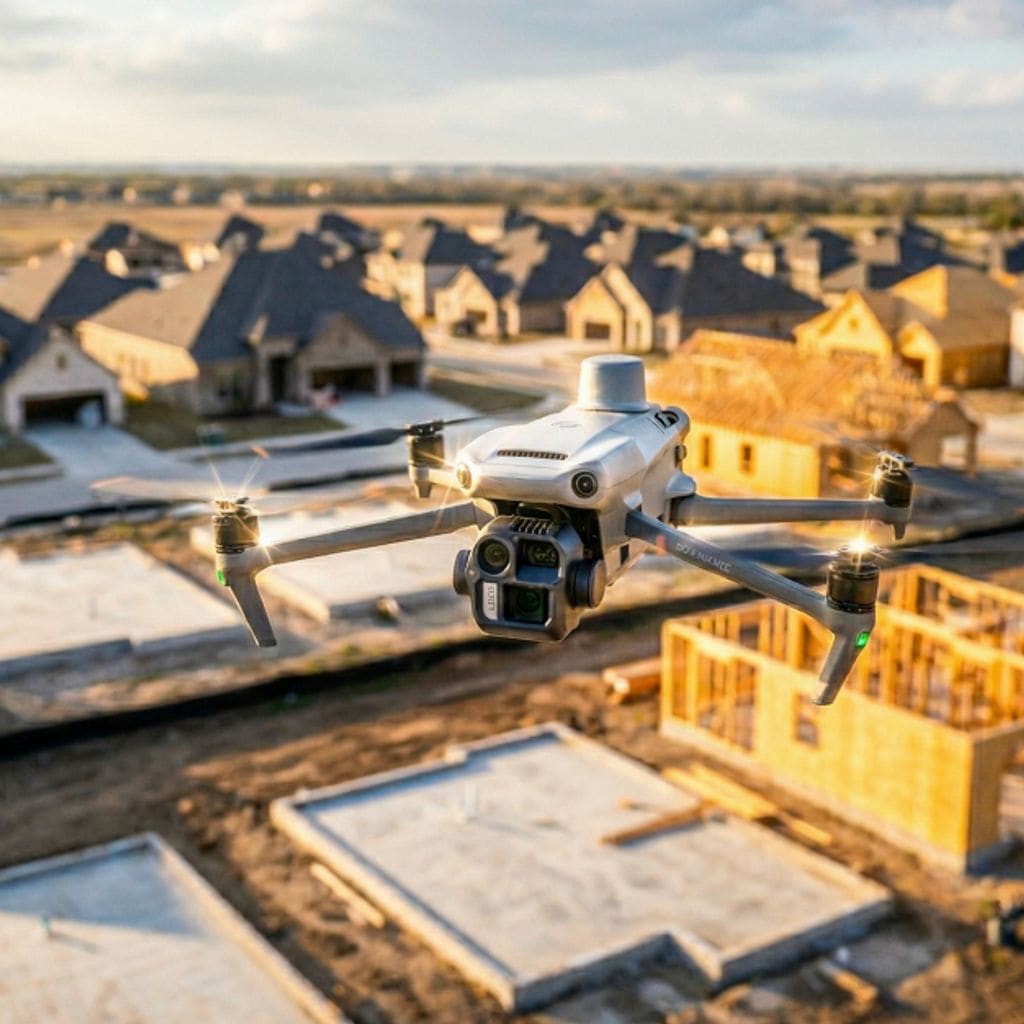
Right now, robots and drones are sitting idle in garages, storage units, and equipment closets across the country. Unitree Go2 Pros. DJI Matrice 4E drones. Roborock commercial units. Advanced inspection, survey, and automation hardware owned by individuals and small businesses who used it for one project, one season, or one client, and then let it sit.
These are not cheap assets. A capable cobot costs between $20,000 and $150,000. A commercial inspection drone can run $10,000 to $30,000. They depreciate whether they are running or not. And the people who need them, contractors, filmmakers, inspectors, researchers, municipalities, small manufacturers, cannot always justify buying them outright for a single job or short-term deployment.
The access gap is real. The idle asset problem is real. The peer-to-peer model that solves both has been validated three times by three of the most valuable companies of the last two decades. What has not existed until now is a robot rental marketplace built to connect these two sides.
What Sharebot Is Building
Sharebot is the world's first peer-to-peer robotics and drone rental marketplace. how it works It connects owners of robots, drones, and autonomous devices with the individuals and businesses who need access to them, and it keeps the economic value of that exchange inside the community rather than routing it through a large equipment corporation.
The model is not new. The asset class is.
Robotics as a service, commonly called RaaS, is already a recognized category in enterprise deployments. The global RaaS market was valued at approximately $5.6 billion in 2023 and is projected to grow at a compound annual growth rate above 16 percent through 2030, according to Grand View Research. What that market has lacked is a platform that brings robot rental access down to the operator level, where a small manufacturer can rent a cobot for a four-week production run, or a property manager can hire a cleaning robot for a seasonal contract, without signing a multi-year enterprise agreement.
That is the gap Sharebot fills. list your robot
Why the Timing Matters Now
The early Sharebot hosts are the ones who list today. Before their city gets competitive. Before the category fills with reviews. Before the demand that is clearly building for on-demand robotics access catches up with available supply.
Consider what is already in motion. The International Federation of Robotics reported that global robot installations hit a record 553,052 units in 2022, up 5 percent year over year. Humanoid robot deployments are accelerating. Warehouse automation is expanding into mid-size operations. Drone use cases in inspection, agriculture, and logistics are multiplying. The installed base of rentable robotics hardware is growing faster than any centralized rental company can absorb.
Peer-to-peer supply creation is how that installed base becomes accessible. And the hosts who build their listing profiles, accumulate verified rentals, and establish pricing authority in their category and region right now will hold a structural advantage that cannot be bought back later.
The people who thought Airbnb was a strange idea in 2009 had another chance to list in 2011. Some of them took it. Most waited until it was undeniably obvious, which means they waited until the early-mover advantage was already gone.
What This Means in Practice
If you own a robot, a commercial drone, or any autonomous device that sits idle between jobs, listing it on a robot rental marketplace is a direct path to recovering carrying costs and building an income stream from a depreciating asset.
If you need robotic capability for a short-term project, renting instead of buying removes the capital commitment, the maintenance burden, and the risk of buying hardware that becomes obsolete. Robot rental vs. purchase is not a close call for most single-project use cases.
The economics work in both directions. That is what makes a peer-to-peer robot sharing platform durable, not just a tech trend.
FAQ
How much does it cost to rent a robot?
Robot rental pricing varies by device type, capability, and rental duration. Entry-level service robots and commercial drones typically rent for $100 to $500 per day on peer-to-peer platforms. Cobots and advanced autonomous mobile robots can range from $500 to $2,000 per day or more, depending on specifications and included support. RaaS enterprise contracts generally run on monthly subscription models starting around $1,500 per month for basic units.
What types of robots are most in demand for rental?
Based on current deployment trends, warehouse and logistics robots, commercial cleaning robots, inspection and survey drones, and cobots for short-run manufacturing are the highest-demand categories. Security robots and event robots are growing rental use cases as well. Humanoid robot rentals are an emerging category as hardware availability increases.
How do I list my robot on a rental marketplace?
On Sharebot, owners create a listing that includes device specifications, availability, rental terms, and pricing. The platform handles discovery, booking coordination, and community trust infrastructure. Listing is the first step to turning idle hardware into a recurring income source.
Is robot rental better than buying for short-term projects?
For most single-project or seasonal use cases, renting a robot is significantly more cost-effective than purchasing. Buying a capable cobot or commercial drone requires capital outlay of $10,000 to $150,000 plus maintenance, storage, and obsolescence risk. Renting provides the same capability at a fraction of the cost with no long-term commitment.
What is RaaS and how does peer-to-peer robot rental fit into it?
Robotics as a service, or RaaS, is a deployment model where users pay for robotic capability on a subscription or usage basis rather than owning hardware outright. Traditional RaaS is enterprise-focused, offered by manufacturers and large integrators. Peer-to-peer robot rental extends the RaaS model to smaller operators by enabling individual robot owners to offer their hardware directly to renters through a marketplace like Sharebot.
The Window Is Open
The sharing economy is not a trend. It is a fundamental shift in who captures value from ownership and access. Airbnb redirected over $180 billion to regular homeowners instead of hotel chains. Turo turned idle vehicles into income. The ride-sharing market built a $91 billion industry on the premise that a regular person with their own car could serve demand more efficiently than a regulated monopoly.
Every one of those platforms rewarded early participants with something that cannot be purchased after the fact: a head start on reputation, pricing, and category authority.
Robot rental is not the future of this model. It is the present. The hardware exists. The demand is building. The marketplace is live at sharebot.ai.
The only question is whether you are in it from the beginning, or reading about it later.
Sources
This post was drafted with the assistance of AI and reviewed by the Sharebot team.
Ready to explore the future of robotics? Rent a robot in your area on the Sharebot marketplace.