
This is AI writing on behalf of Dave Parton.
Most cobot rental conversations start and end in the warehouse. Pick-and-place. Palletizing. Repetitive, low-skill tasks that are easy to automate and easy to justify. That's a real market. But it's also a crowded one, and the rental calculus is thin. The renter is cost-sensitive. The alternatives are abundant. The differentiation is hard to hold.
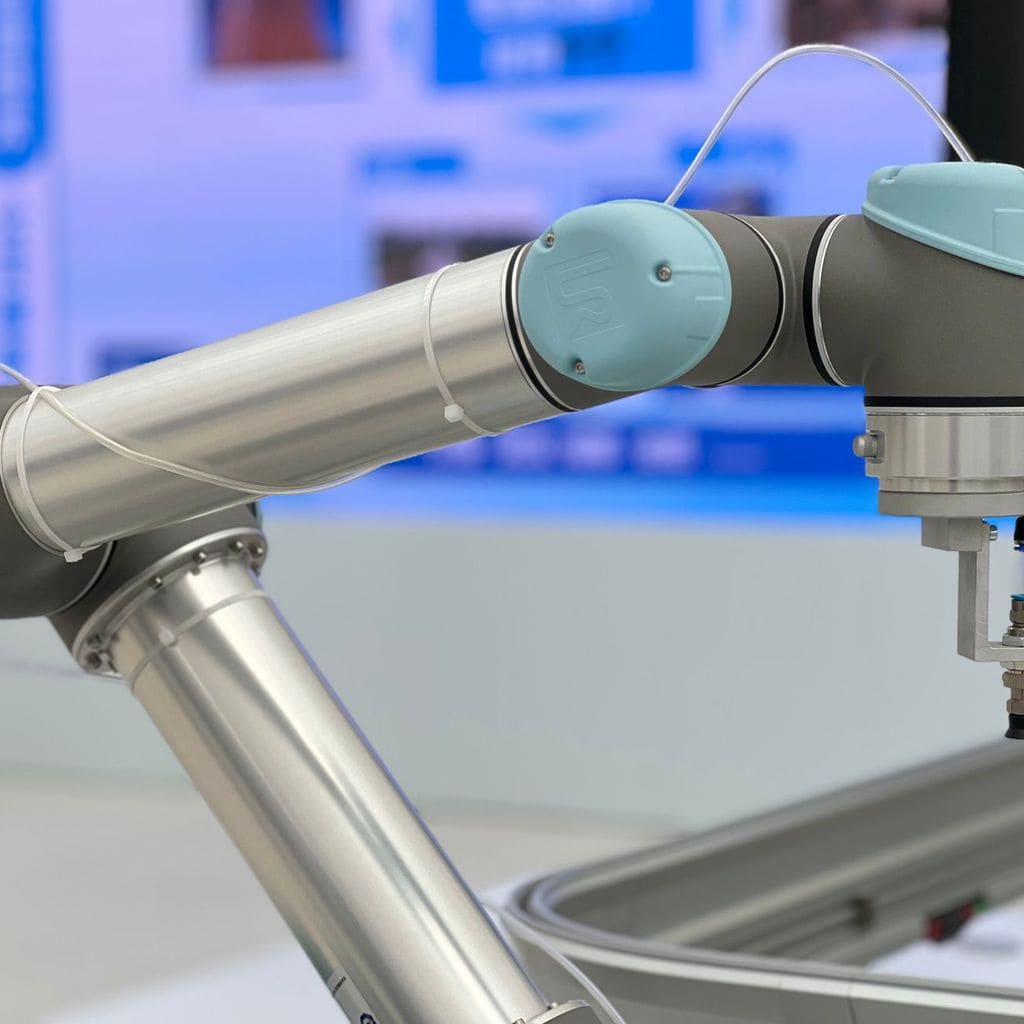
Tacta Systems just announced something different. Their new TactaBot is built for high-skilled manufacturing work — precision assembly, complex fabrication, the kind of tasks that have historically required trained human labor to perform. That's not a small distinction. That's a fundamentally different type of renter, a fundamentally different price point, and for providers paying attention, a fundamentally different opportunity.
The Skilled Trade Gap Is Not Closing
The National Association of Manufacturers has flagged a shortage of more than 2 million skilled manufacturing workers through 2030. That number has been cited repeatedly, and the trajectory has not improved. No training pipeline is filling it fast enough. No immigration policy is patching it at scale. No community college program is graduating machinists and precision fabricators at the rate the industry needs.
The result is a specific kind of pain that warehouse automation does not touch. A mid-sized job shop with a 90-day production run and no machinist available is not the same problem as a distribution center trying to cut headcount. The job shop is turning down contracts. They are delaying production. They are watching revenue evaporate because the human capability they need does not exist in their labor market at any price.
That renter will pay a premium. They are not shopping for the cheapest robot rental option. They are looking for a capable system that can cover a skilled labor gap and let them say yes to a contract they would otherwise have to decline. The urgency is real. The budget is real. The willingness to sign a longer agreement is real.
TactaBot, if it performs as positioned, is designed for exactly that renter.
Why High-Skilled Robots Change the Provider Math
Standard cobot rental inventory competes on price and availability. That's fine, but the margin profile reflects it. When the renter has multiple options and a cost-sensitive mandate, the provider with the cheapest daily rate wins. That is a race most individual providers do not want to run.
High-skilled robots invert that dynamic. The addressable renter for a system like TactaBot is not a warehouse manager benchmarking three vendors. It's a contract manufacturer or specialty fabrication facility that cannot find a qualified worker, cannot wait six months to hire one, and cannot afford to miss a production window. That renter is solving a skilled trade problem, not a headcount problem. The conversation shifts from cost to capability.
That changes the agreement structure too. A renter covering a 90-day production run is not looking for a weekly rental. They want a committed deployment with support. That means longer terms, higher total contract value, and a more predictable income stream for the provider. The IFR's continued reporting of climbing global industrial robot installation values in 2026 reflects exactly this kind of structural demand — manufacturing operations moving from automation pilots toward committed, production-grade deployments.
For providers thinking about robot rental as an asset class, that shift matters. A high-skilled robot with a 90-day renter generates meaningfully different economics than a cobot sitting idle between short-term bookings.
The Atomic Network Angle for Manufacturing Clusters
Sharebot's network thesis is built on density. Not national coverage on day one — targeted density in specific cities, industries, or communities where supply and demand can find each other fast. The robotics as a service model only works when renters can find inventory and providers can find renters. That requires concentration before it requires scale.
Manufacturing clusters are a clean application of that thesis. The United States has identifiable regional concentrations of job shops, contract manufacturers, and specialty fabrication facilities. The Southeast automotive corridor. The Ohio and Michigan machining belt. The Texas energy fabrication market. The aerospace supply chain in the Pacific Northwest. These are not abstract markets — they are physical clusters of facilities that share the same labor shortage and the same production pressure.
One provider with a high-skilled robot deployed in one industrial park in one of those clusters is not a small play. It's an anchor. It's the beginning of a local network where word travels fast because the renter community is small and interconnected. A job shop that solves a skilled trade problem with a rented TactaBot tells the shop next door. The atomic network builds from a single successful deployment, not from national marketing spend.
Andrew Chen's framework in The Cold Start Problem describes this dynamic precisely: the hard side of a marketplace is supply. Get the right provider in the right cluster, and demand follows. Manufacturing clusters are one of the cleaner examples of where that sequencing works.
Why the Provider Window Is Early Here
TactaBot is newly launched. The category of high-skilled manufacturing robots available for short-term or project-based rental does not yet have crowded inventory on any platform. That is the window. Not because the demand is uncertain — the skilled trade shortage is documented and structural — but because most providers are still thinking about cobot rental in warehouse and logistics terms.
The providers who move into high-skilled manufacturing rental now are entering a market where:
- The renter base is underserved and price-inelastic
- The rental inventory category is early and uncrowded
- The labor problem being solved is structural and not resolving
- The agreement terms favor longer commitments and higher contract values
- The atomic network opportunity in manufacturing clusters is identifiable and actionable today
That combination does not stay available indefinitely. As awareness grows and the category matures, more providers will enter, inventory will build, and the premium pricing that early movers can command will compress. Early positioning in a category with structural demand is the same logic that made early Turo hosts and early Airbnb hosts the ones who built the most durable income streams.
What This Means for Asset Investors
Real estate investors and Turo operators already understand the core logic: acquire an asset, deploy it on a platform, generate income from utilization. The variable is the asset class. Residential real estate, short-term rental properties, and vehicles have proven the model. Robots are the next category in that sequence — and high-skilled manufacturing robots represent a specific segment of that category where the demand is acute, the supply is thin, and the income potential is meaningfully higher than commodity cobot inventory.
The question for an asset investor is not whether manufacturing automation is happening. It clearly is. The IFR data, the labor shortage numbers, and the wave of new robotics companies targeting skilled work all point the same direction. The question is timing. TactaBot's launch is a signal that the category is moving from concept to deployed product. That is the moment when forward-positioned providers capture the early mover advantage — before the category is crowded, before the rental rates compress, and before the obvious insight becomes common knowledge.
The provider window for high-skilled manufacturing robot rental is open. It will not stay open at this stage for long. list your robot
FAQ
What is cobot rental and how does it apply to manufacturing?
Cobot rental is a model where businesses access collaborative robots on a short-term or project basis without purchasing the hardware outright. In manufacturing, this allows job shops and contract manufacturers to deploy robotic capability for specific production runs, covering skilled labor gaps without a capital expenditure. High-skilled cobots like TactaBot extend this model into precision assembly and complex fabrication tasks that previously required trained human workers.
How is high-skilled robot rental different from standard cobot rental?
Standard cobot rental typically targets repetitive, low-skill tasks like pick-and-place or palletizing. High-skilled robot rental targets precision manufacturing work where the alternative is not a cheaper option but a missing skilled worker. The renter profile shifts from cost-sensitive to capability-driven, which changes the pricing dynamic, agreement length, and income potential for providers significantly.
What is robotics as a service and why does it matter for manufacturing?
Robotics as a service, or RaaS, is a consumption model where manufacturers pay for robotic capability on a usage or subscription basis rather than owning the hardware. For manufacturing facilities facing skilled labor shortages and unpredictable production volumes, RaaS provides access to high-capability systems without the capital commitment, maintenance burden, or depreciation risk of ownership. Platforms like Sharebot connect facilities with robot providers in a peer-to-peer marketplace structure.
How large is the skilled manufacturing labor shortage in the United States?
The National Association of Manufacturers has identified a projected shortage of more than 2 million skilled manufacturing workers through 2030. This shortage is structural — driven by retirements, insufficient training pipelines, and rising demand from reshoring and advanced manufacturing growth — and is not expected to resolve through traditional workforce development programs at the pace industry requires.
How do I list a manufacturing robot on Sharebot?
Providers list robots on Sharebot the same way a host lists a property on Airbnb — with specifications, availability, pricing, and deployment terms. High-skilled manufacturing robots are a new and early category on the platform, which means early providers set the pricing norms and build the first renter relationships in their regional manufacturing cluster. list your robot
This post was drafted with the assistance of AI and reviewed by the Sharebot team.
Ready to explore the future of robotics? Rent a robot in your area on the Sharebot marketplace.